
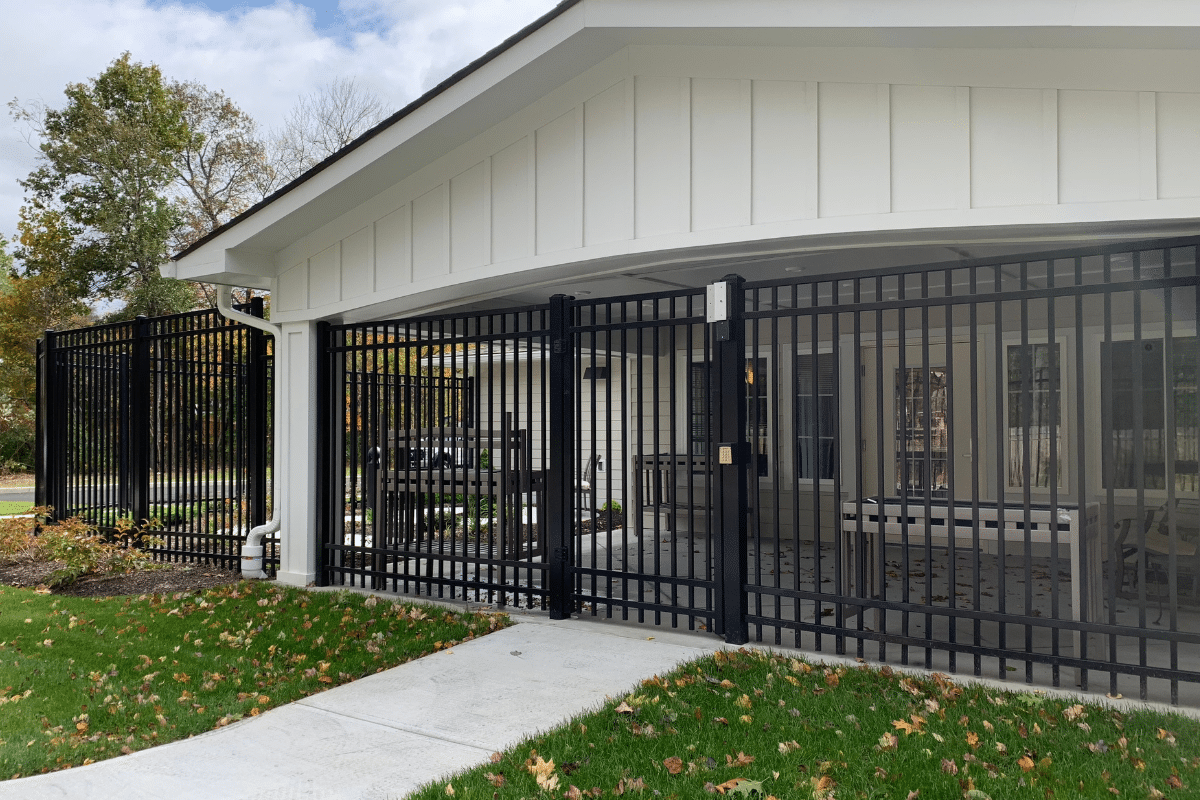
Installing a new fence can improve privacy, security, and curb appeal, but before breaking ground, it’s important to understand Connecticut’s fence regulations. While Connecticut has laws governing certain aspects of fencing, many requirements are determined by individual municipalities. That means the rules in Enfield may differ from those in Windsor, Suffield, or Ellington.
Taking the time to understand local requirements before construction begins can help prevent delays, avoid disputes, and ensure your project complies with applicable regulations.
Do You Need a Permit to Install a Fence in Connecticut?
There is no single statewide permit requirement for residential fences. Instead, most Connecticut cities and towns establish their own zoning and building regulations. Depending on where you live, you may need a permit before installing a new fence, particularly if it exceeds certain height limits, surrounds a swimming pool, or is being installed on commercial property.
Before beginning your project, contact your local building or zoning department to determine whether a permit is required.
Fence Height Restrictions
Fence height restrictions are generally established by local zoning ordinances rather than Connecticut state law. In many municipalities, backyard privacy fences are permitted at greater heights than fences located in front yards. Corner lots, easements, and sightline requirements near intersections may also affect where and how tall a fence can be.
Because these regulations vary by municipality, homeowners should always verify local requirements before construction begins.
Spaces Between Slats or Pickets
Connecticut General Statutes define what qualifies as a “lawful fence” in certain situations. According to FindLaw’s overview of Connecticut property line and fence laws, open picket fences generally cannot have openings greater than four inches, while slat rail fences are limited to six-inch openings with the bottom slat no more than six inches above the ground. Chain-link fences also have construction standards outlined in Connecticut law.
Keep in mind that these state standards do not replace local zoning requirements, which may impose additional regulations depending on your municipality.
Property Lines & Neighbor Disputes
Before installing a fence, it’s important to verify your property boundaries. Building even a few inches onto a neighboring property can create expensive disputes that are often avoidable with proper planning.
Homeowners should consider:
- Reviewing an existing property survey
- Confirming property lines if there is any uncertainty
- Discussing the project with neighbors when installing along a shared boundary
- Checking local setback requirements
A little preparation before installation can prevent significant issues later.
Resolving Fence Disputes in Connecticut
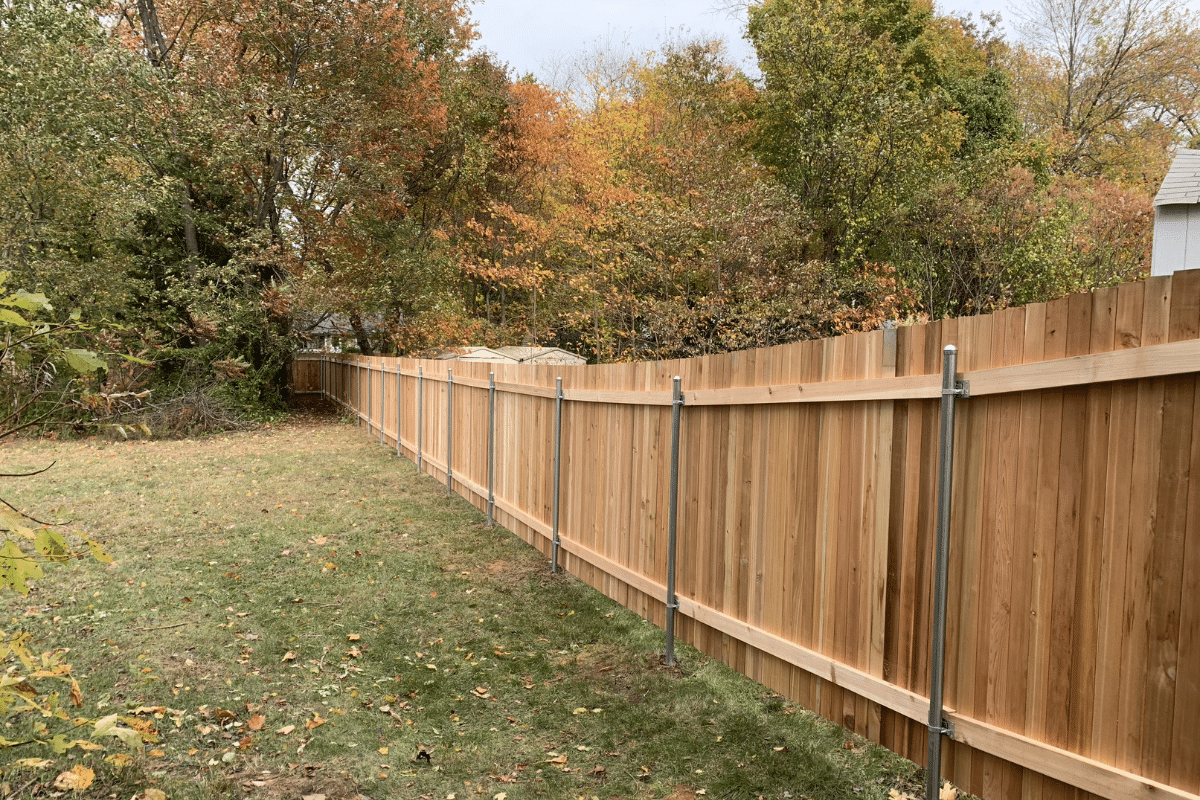
If a disagreement arises over a boundary fence, Connecticut law provides a process for resolving certain disputes. In some situations, local officials known as fence viewers (typically selectmen or designated municipal officials) may help determine responsibilities related to division fences. If a dispute involves property boundaries or ownership, homeowners may also need assistance from a licensed land surveyor or attorney.
Commercial Fencing Requirements
Commercial fencing projects often involve additional considerations beyond residential installations. Depending on the municipality and property type, businesses may need to comply with regulations regarding:
- Security fencing
- Site visibility
- Access gates
- Industrial zoning requirements
- Screening requirements
- Permit approvals
Commercial property owners should verify all local zoning and building requirements before beginning a fencing project.
Are Barbed Wire Fences Allowed in Connecticut?
Barbed wire is regulated under Connecticut law. In general, barbed wire is prohibited between adjoining residential properties unless specific legal exceptions apply, such as certain agricultural uses with written consent. It is also generally prohibited around public schools and most public buildings.
Because these regulations can vary depending on the property’s use, commercial and agricultural property owners should review applicable state and local requirements before installation.
Work With a Contractor Familiar With Connecticut Fence Requirements
Every Connecticut municipality has its own zoning regulations, permit procedures, and fencing requirements. Working with an experienced contractor who regularly installs fences throughout Northern Connecticut can help simplify the process and reduce the risk of costly mistakes.
GMH Fence proudly installs residential and commercial fencing throughout Enfield, Windsor, Suffield, Somers, Ellington, East Windsor, and surrounding Northern Connecticut communities. Contact us today for a free estimate.